Biomarker Kits
Local development & production of antibody-based diagnostic kits for disease surveillance.
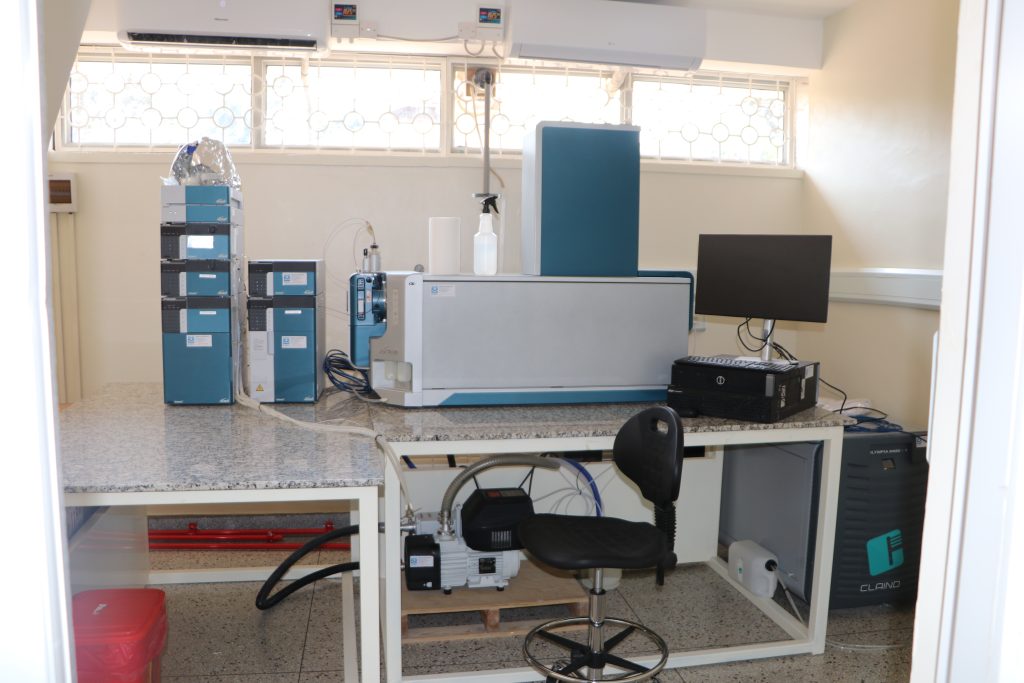
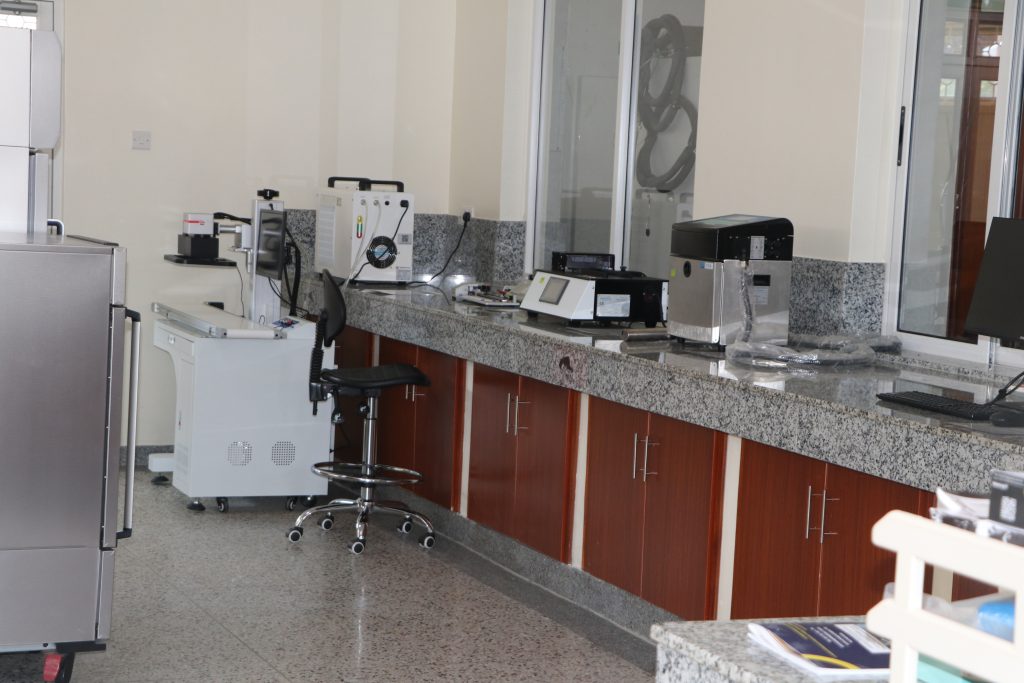
Biomarker Kits develops and manufactures antibody-based diagnostics locally controlling every step from antigen expression to a finished test. The vision: to be a leading producer of antibody-based diagnostics for disease surveillance, from Uganda to Africa.
3
Assay Platforms
Local
End-to-end manufacturing
E. coli
Antigen expression
Antibody-based diagnostics for: quick disease surveillance · monitoring vaccination success · generating useful information for the Ministry of Health and policy makers.
From antigen to finished kit
The production pipeline mirrors the science exactly: express the proteins, raise the antibodies, build the assay, then validate it in the field.
Expression & purification of SARS-CoV-2 proteins
- Cloning and expression of each protein in E. coli — pET-Spike, pET-NUC and pET-RBD constructs
- IPTG-induced expression, then cell lysis, wash and elution to recover the target protein
- Affinity-tag purification yielding purified recombinant antigen for the assays
Development of the surveillance ELISA
- Indirect ELISA format using the purified spike, nucleocapsid and RBD antigens
- Head-to-head screening to identify the best protein for the ELISA
- Optimised for serology and vaccination-monitoring at scale
ELISA & RDT reagents monoclonal antibodies
- Immunised plasma B cells fused with myelomas to create hybridomas
- Hybridoma selection and expansion to produce monoclonal antibodies
- In-house reagent supply for both ELISA and rapid tests
Production of secondary antibodies
- Immunisation of host animals (goat, rabbit) to raise antibodies
- Affinity chromatography to recover purified IgG
- Enzyme conjugation (add modifier → conjugate → quench) to produce labelled antibody
Development of the lateral-flow RDT
- Cassette assembly: sample pad, conjugate-release pad, membrane, test lines (IgM & IgG), control line and absorbent pad
- Finger-prick sample applied directly to the cassette
- Result read as control vs case lines — no equipment, point-of-care